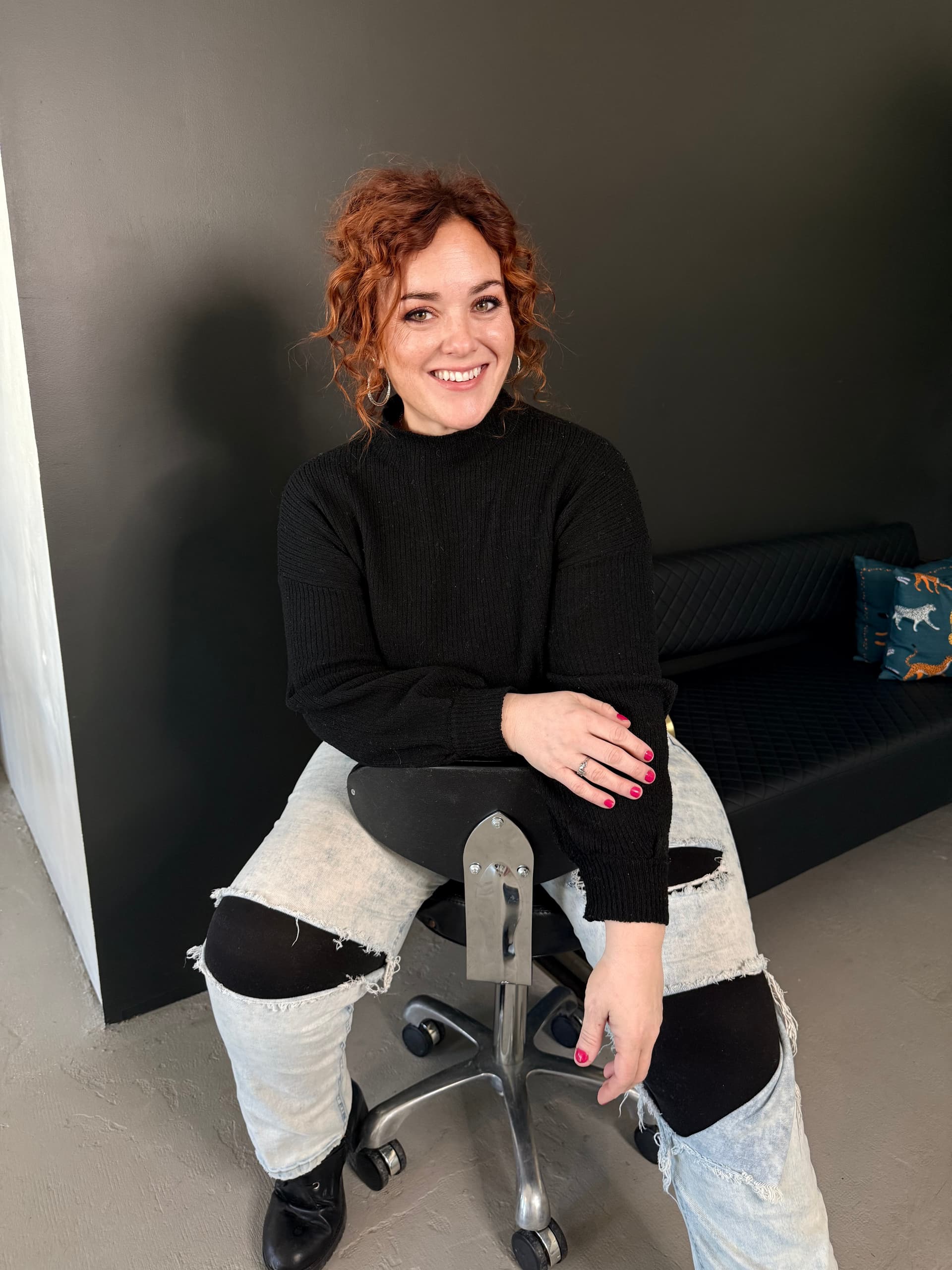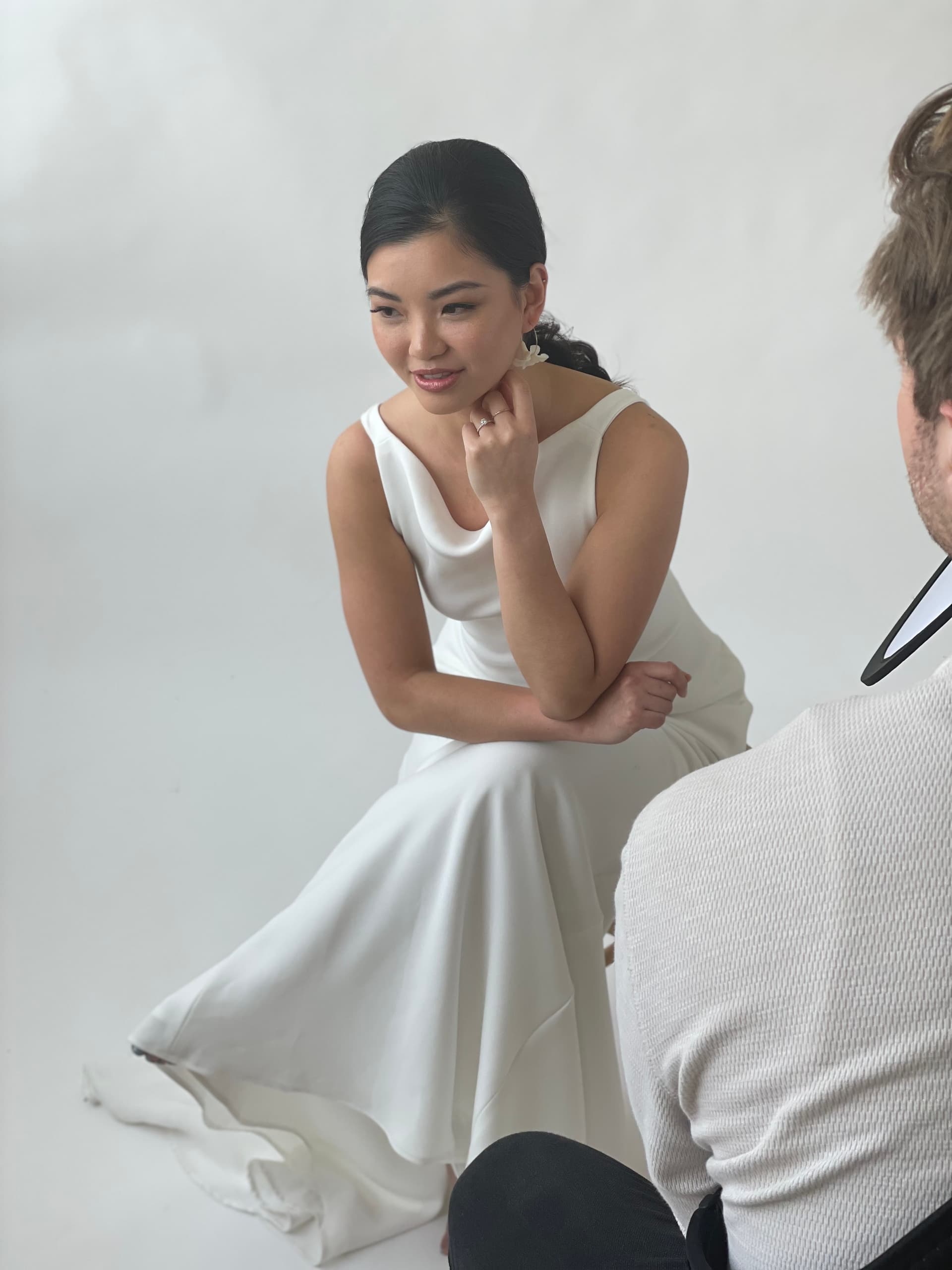
The number one reason makeup artists give for not having a studio is cost. "I cannot afford the overhead." This is almost always wrong — not because the rent is cheap, but because the calculation ignores the return. A studio is not overhead. It is infrastructure that generates revenue. And the artists who understand this are the ones outpacing their mobile-only competitors.
The Break-Even Is Lower Than You Think
Take a studio at $800 per month. Your average service is $150. You need roughly six additional services per month — less than two per week — to cover the rent entirely. That is the break-even. Everything above that is return on investment.
Now consider what the studio gives you beyond those six appointments: a controlled space for content creation, a professional environment for bridal trials, a location for client events, and an address that communicates permanence. The $800 is buying all of that simultaneously.
Trial Conversion Rates Go Up
Bridal trials conducted in a studio convert at significantly higher rates than trials done in the client's home or a rented hotel room. The reason is environment. A professional studio communicates competence before you apply a single product. The client walks in and her confidence in you increases simply because of where she is.
You do not need to convince someone you are professional if the room already said it for you.
If your current trial-to-booking conversion is 60 percent and a studio bumps that to 75 percent — that 15-point increase on even moderate booking volume pays the rent several times over.
Content Compounds
A studio is a set. Every client appointment is a content opportunity. Consistent lighting, consistent backdrop, consistent quality — month after month. That consistency builds a portfolio and a social media presence that looks polished, intentional, and professional. Over twelve months, the content advantage alone justifies the rent.
Compare that to content shot in different clients' homes — different lighting, different backgrounds, different energy. The inconsistency hurts your brand even if each individual image is fine.
The Pricing Permission
A studio gives you permission — psychologically and practically — to charge premium rates. You are no longer a freelancer showing up with a bag. You are a professional with a practice. That distinction is real in the client's mind and it supports higher pricing without additional justification.
Artists who move into a studio and raise their rates by 15 to 25 percent rarely see a drop in booking volume. The studio environment absorbs the price increase because the perceived value has increased proportionally.
Stop Calling It Overhead
Rent is overhead when the space does not work for you. Rent is an investment when the space actively generates revenue, improves your work, elevates your brand, and creates experiences that clients talk about. If you are strategic about how you use a studio — trials, content, client events, collaboration — the return will exceed the cost. The math is not close.
Frequently Asked Questions
Is renting a studio worth it for a makeup artist?
In almost every case, yes — if you use the space strategically. A studio that costs $800 per month needs to generate roughly one to two additional bookings per month to break even. The actual return typically far exceeds that through improved content, higher-converting trials, and referral lift.
How does a studio increase a MUA's revenue?
Through higher trial conversion rates, better content quality that drives social media bookings, the ability to host client events, professional perception that supports premium pricing, and reduced per-appointment costs compared to mobile work.
What is the break-even point for a makeup artist studio?
At $800 per month in rent and an average service rate of $150, you need approximately six additional services per month to break even — roughly 1.5 per week. Most artists see this return within the first two months of studio operation.