Your workspace is not a backdrop. It is a tool. The quality of your setup directly affects your application quality, your speed, your content, and your client's experience. A rushed setup in bad light produces rushed work. A dialed-in workspace produces confident, consistent results.
Lighting — The Non-Negotiable
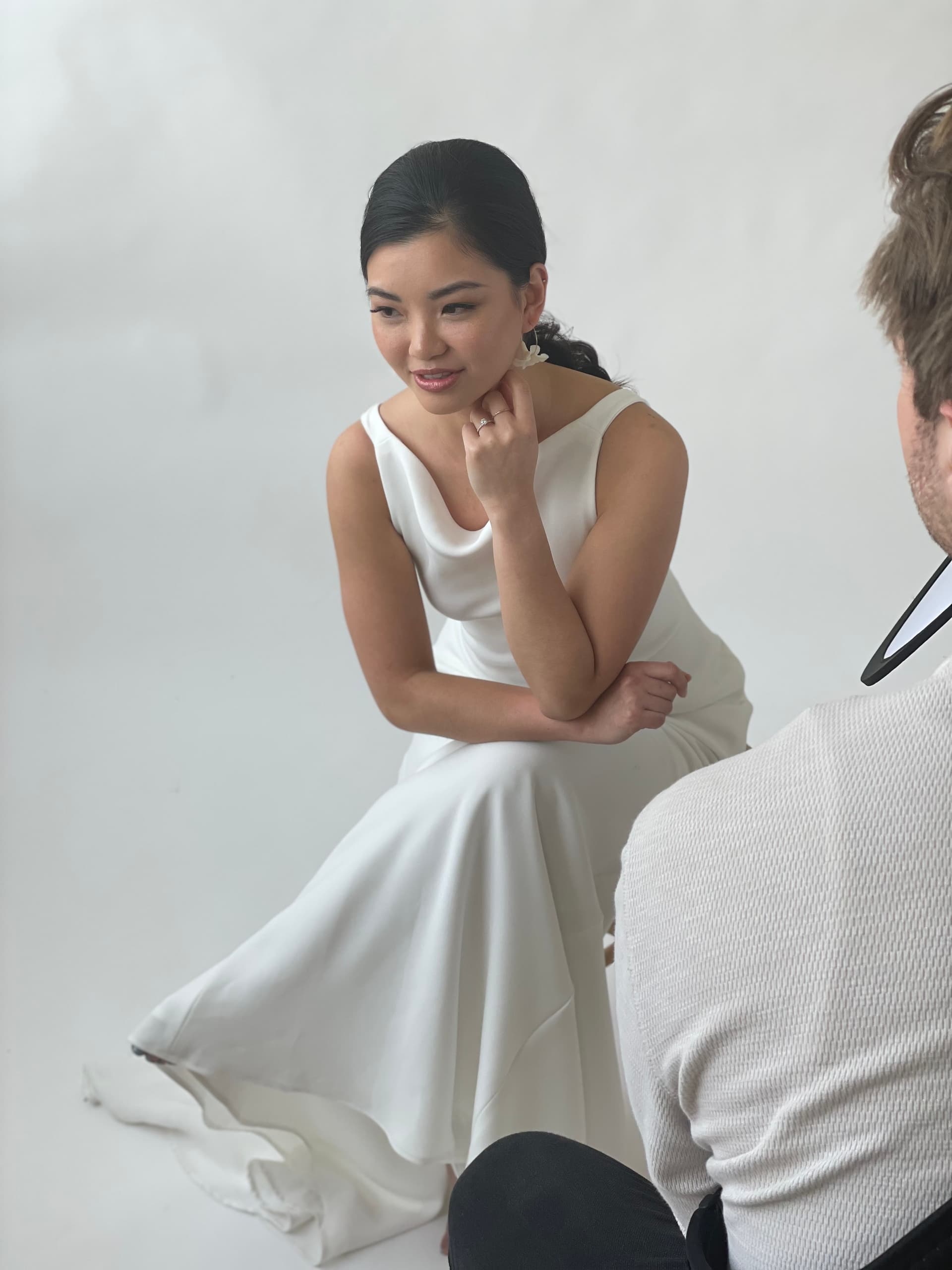
Daylight-balanced lighting at 5000 to 5500 Kelvin. This is not optional. Warm light masks undertones and leads to color-matching errors that do not reveal themselves until the client steps outside or into flash photography. By then, it is too late.
If you are in a studio, invest in LED panels that mount or stand at face height. If you are on location, carry a portable ring light or two clip-on LED panels. The light setup should take under three minutes. Practice until it does.
The Chair Matters
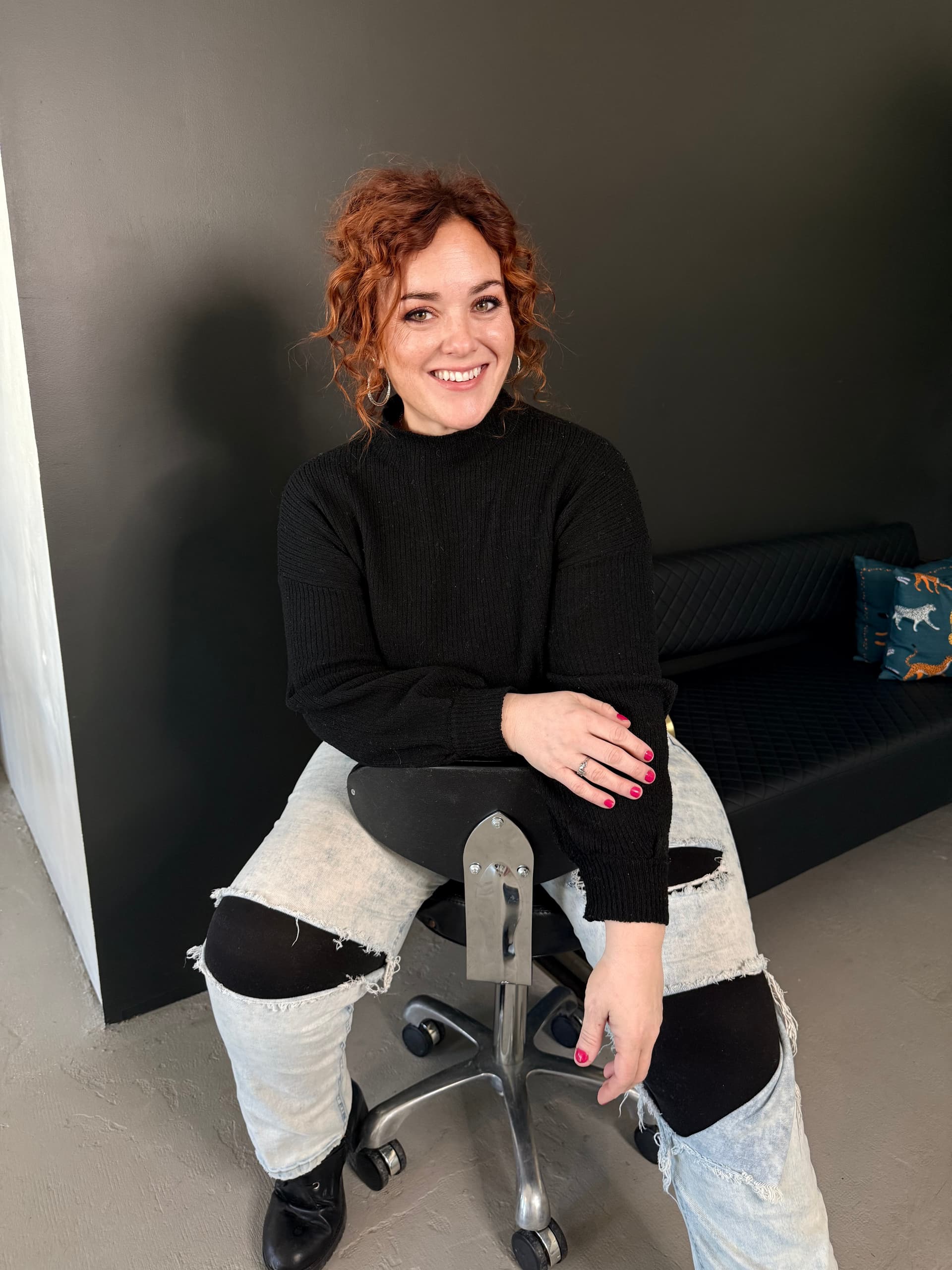
Your client sits in that chair for 60 to 120 minutes. If it is uncomfortable, she shifts. If she shifts, your lines shift. An adjustable-height director's chair or hydraulic stool is the standard. It should be stable, comfortable, and the right height for you to work without hunching.
For on-location work, invest in a portable makeup chair. They cost between $80 and $200 and they change everything about the mobile experience — for you and the client.
A great setup looks effortless. It is not. It is rehearsed.
Kit Organization
Organize by application order: skin prep and primers, complexion products, eyes, lips. Every product should have a designated position. When you are in the middle of a bridal application with a nervous bride and a room full of bridesmaids, you should never have to search for anything. Muscle memory should take you to every product.
Separate your bridal kit from your everyday kit. Wedding mornings demand specific products — longer-wearing formulas, broader shade ranges, setting sprays built for 12-plus hours. Having a dedicated bridal kit means you never show up missing something critical.
Sanitation Is the Baseline
Disposable mascara wands, lip applicators, and sponges. Brush cleaner between clients. Sanitized palettes. This is not impressive — it is expected. Any client who watches you double-dip is a client who will not refer you. And she should not.
The Five-Minute Setup Test
Time yourself setting up from car to ready. If it takes longer than five minutes for your lighting, chair, and kit to be in position, your system needs work. On bridal mornings, those extra minutes come out of application time — and application time is the only time that matters.
Frequently Asked Questions
What does a bridal MUA need in a workspace?
Professional lighting (ring light or LED panels minimum), a full-length mirror, a comfortable adjustable-height chair, organized kit storage, sanitization supplies, and a clean surface for product layout. On location, you need all of this in portable form.
What lighting should a bridal makeup artist use?
Daylight-balanced LED panels or a high-quality ring light at 5000-5500K color temperature. Avoid warm tungsten light — it masks undertones and leads to color-matching errors that show up in photos.
How should a bridal MUA organize their kit for wedding mornings?
By application order. Skin prep and primers first, followed by complexion products, then eyes, then lips. Separate bridal-specific products from everyday kit. Every product should have a designated position so you never search during a service.